
Weathering, erosion, or deposition? This sorting activity will help your students understand how landforms are changed by these three processes.

Weathering, erosion, or deposition? This sorting activity will help your students understand how landforms are changed by these three processes.

Mittens keep our hands warm, but are mittens themselves warm? Teach your students how to use the scientific process to answer this question. Freebies included!
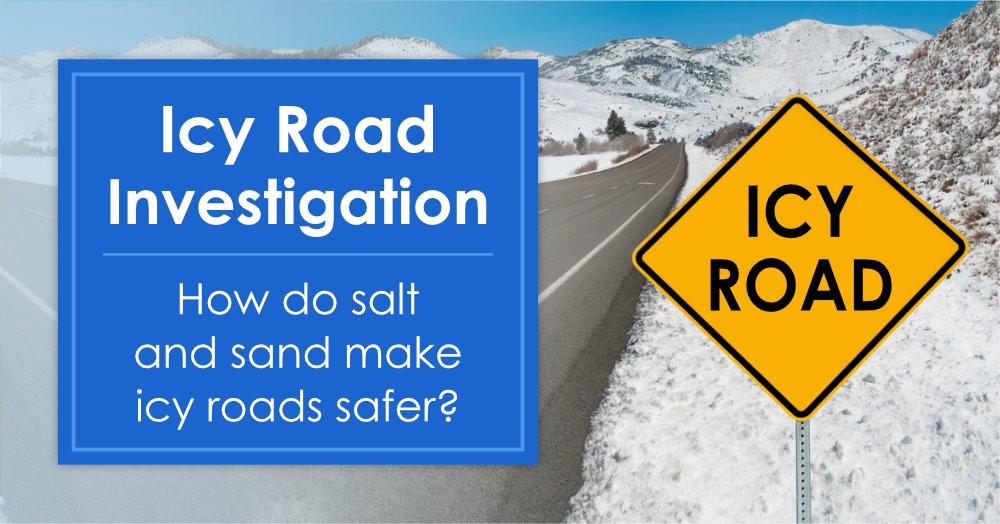
How do sand and salt make icy roads safer? Your students will be able to answer this question after they conduct this easy hands-on science

How are you planning to celebrate Earth Day in your classroom? If you need ideas, check out the teaching resources, lessons, and freebies in this

Do your students know that only a small part of planet Earth is habitable? The Edible Earth Rounds activity is a tasty way for them

Step-by-step Lesson and Free Printables Most kids are familiar with the terms precipitation, condensation, and evaporation, but very few of them really understand what those

Guest post by Sarah Wiggins You’ve probably noticed pictures of STEM engineering challenges floating around the teacher blog world recently, especially if you happen to
Guest post by Carol Wooten As one walks the hallway on the evening of Family Science Night, the echoes of excited young scientists fill the
Guest blog post by Wendy Goldfein and Cheryl Nelson As part of the Next Generation Science Standards, elementary teachers will teach engineering. Really??? I’m not an
About a month ago, I shared a special activity I developed for Earth Day called Green Court Claims. You can read my blog post, “Green Companies?

Brain research supports the need for students to get plenty of movement throughout the day – but that’s something every teacher knows! In Teaching with

One summer I accepted a position at a local school to work with kids during their year round intersession program, and I had the pleasure

Weathering, erosion, or deposition? This sorting activity will help your students understand how landforms are changed by these three processes.
Mittens keep our hands warm, but are mittens themselves warm? Teach your students how to use the scientific process to answer this question. Freebies included!
How do sand and salt make icy roads safer? Your students will be able to answer this question after they conduct this easy hands-on science experiment using simple materials such as ice, salt, and sand.
How are you planning to celebrate Earth Day in your classroom? If you need ideas, check out the teaching resources, lessons, and freebies in this blog post!
Do your students know that only a small part of planet Earth is habitable? The Edible Earth Rounds activity is a tasty way for them to explore this concept!
Step-by-step Lesson and Free Printables Most kids are familiar with the terms precipitation, condensation, and evaporation, but very few of them really understand what those words mean. Just ask your students to name three examples of condensation in everyday life and watch their eyes glaze over. Huh?? Most kids understand
Guest post by Sarah Wiggins You’ve probably noticed pictures of STEM engineering challenges floating around the teacher blog world recently, especially if you happen to be on Pinterest. There are so many pictures of plastic cup towers, coffee filter parachutes, and other cardboard contraptions. Perhaps you’ve plunged into the fun
Guest post by Carol Wooten As one walks the hallway on the evening of Family Science Night, the echoes of excited young scientists fill the school building. From extracting strawberry DNA to investigating a car that runs on alternative fuel to constructing a Rube Goldberg machine from everyday materials, the
Guest blog post by Wendy Goldfein and Cheryl Nelson As part of the Next Generation Science Standards, elementary teachers will teach engineering. Really??? I’m not an engineer! The problem solving skills, communication, perseverance and teamwork that students will learn while participating in these lessons have been identified as necessary skills for
About a month ago, I shared a special activity I developed for Earth Day called Green Court Claims. You can read my blog post, “Green Companies? Let the Jury Decide!” for a full explanation of the activity. For now, I’ll just share that students investigate companies’ claims that their products are
Brain research supports the need for students to get plenty of movement throughout the day – but that’s something every teacher knows! In Teaching with the Brain in Mind, Eric Jensen states, “Brain-compatible learning means that educators should weave math, movement, geography, social skills, role play, science, and physical education
One summer I accepted a position at a local school to work with kids during their year round intersession program, and I had the pleasure of teaching science to 5th graders for 3 days. I had a wonderful time teaching them about the water cycle and weather! Two favorite lessons